
 11
11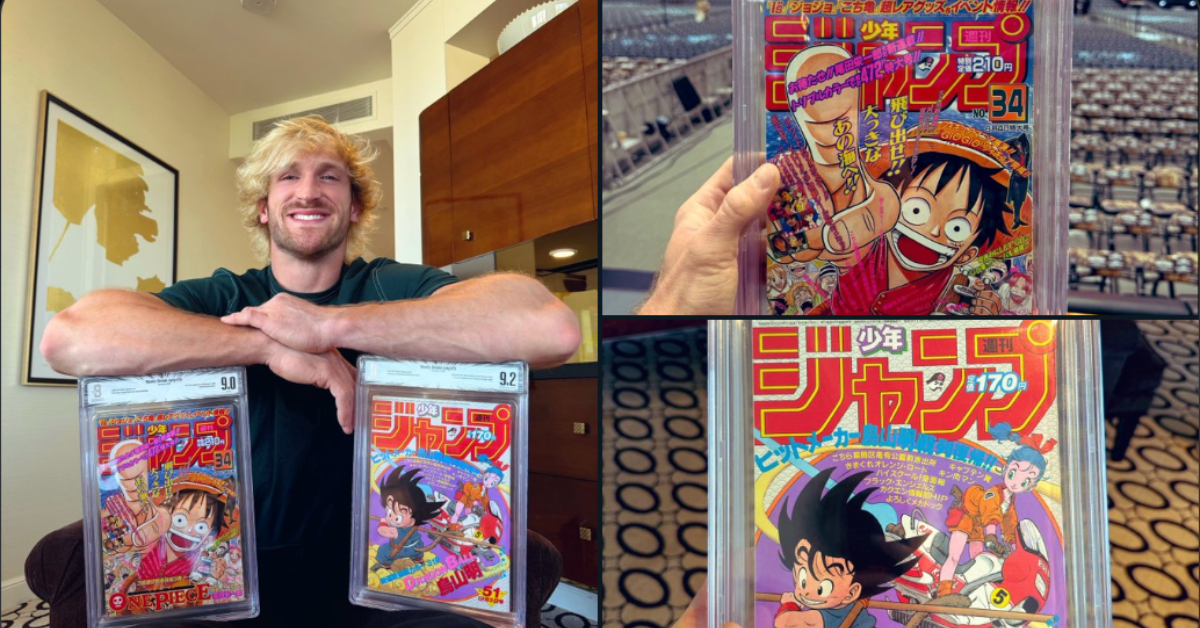
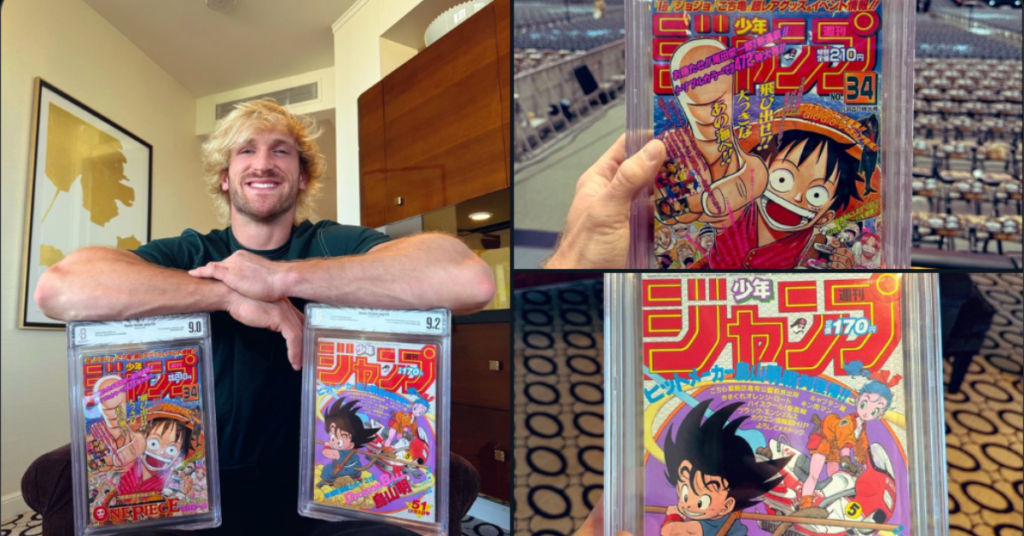
Logan Paul manga purchase – reportedly worth over $550,000 — has triggered a wave of backlash across anime and gaming communities. What may seem like a high-value collectible buy has quickly evolved into a broader debate around authenticity, influencer-driven hype, and the rising cost of fandom.
This isn’t just about one purchase. It reflects a broader shift in how anime, gaming, and esports culture are evolving.
Proud owner of the greatest Mangas in the world (imo)
— Logan Paul (@LoganPaul) April 21, 2026
One Piece Chapter One 9.0 (second highest grade in existence, pop 3). First canon appearance of Monkey D. Luffy. One Piece is the #1 selling Manga in the world at 600M+ copies sold
Dragon Ball Chapter One 9.2 (highest grade… pic.twitter.com/3aCBnN5Eqm
Logan Paul acquired two highly rare, graded manga issues:
These are not standard manga volumes. They are collector-grade items, comparable to first-edition comic books in Western markets. Early prints in high condition are extremely scarce, which drives their value.
One Piece, the best-selling manga of all time, has sold over 500 million copies globally, but early chapter prints in near-mint condition remain rare.
The reaction from fans was swift and largely negative. The criticism falls into three main categories. BTW here’s what iShowSpeed said
you don’t even know shit about one piece
— Speed⭐️ (@ishowspeedsui) April 22, 2026
Many fans questioned whether Logan Paul is genuinely invested in anime or simply entering the space for attention and status. In anime and gaming communities, authenticity carries significant weight. High-value purchases without visible engagement often lead to skepticism.
A recurring concern is that influencer participation drives artificial demand. When high-profile creators enter niche markets, prices tend to spike rapidly.
Fans have seen this pattern before:
This has already happened in trading card markets and is now feared in manga collecting.
Logan Paul has a history of influencing collectible markets. His involvement in Pokémon cards led to a surge in prices and mainstream attention.
He previously owned a PSA 10 Pikachu Illustrator card, which later sold for a record-breaking amount. That moment marked a turning point where collectibles became both cultural and financial assets.
Fans now believe manga could follow the same trajectory.
At first glance, this seems like an isolated controversy within anime fandom. In reality, it directly connects to gaming and esports culture.
There is a strong overlap between:
Games like Valorant and League of Legends draw heavily from anime-style visuals, storytelling, and character design.
As anime grows in value and visibility, it influences the broader gaming ecosystem — including how fans engage with content, collectibles, and digital identity.
There is a noticeable shift in what defines status among younger audiences.
Traditional luxury has been replaced by cultural ownership:
Owning rare items is no longer just about value — it signals deep involvement in a specific community.
This is where influencer activity has the most impact. It accelerates demand and turns niche items into mainstream status symbols.
The backlash ultimately comes down to a conflict between two perspectives.
Collectors and influencers treat these items as investments and status assets.
Fans and community members see them as part of a shared culture that should remain accessible.
When significant money enters a space:
This shift often leads to friction, especially in communities built on passion rather than exclusivity.
There are valid arguments on both sides.
Potential benefits:
Potential downsides:
This situation is not just about Logan Paul or a single purchase.
It highlights a broader transition:
Anime, gaming, and esports are no longer niche communities. They are becoming high-value cultural ecosystems where money, influence, and identity intersect.
As that transition continues, similar controversies will become more common. The real question is not whether influencers should participate, but how their presence reshapes the culture itself.